Seed Oils
Seed Oil Free Skincare: What It Means, Why Some People Avoid Seed Oils, and What Signature Botanicals Uses Instead
If you have been searching for seed oil free skincare in the UK, you are probably aiming for a simpler routine with ingredients that feel predictable on your skin and stable in the jar.
Signature Botanicals takes a clear stance here. The FAQ states that none of their products contain seed oils, and explains the reasoning as stability and oxidation, with a preference for traditional, nourishing ingredients like tallow, unrefined oils, butters, clays, and botanicals.
This guide explains what seed oils are, why some people choose to avoid them in skincare, and how to build a routine around the Signature Botanicals approach.
Quick answer: what does seed oil free skincare mean?
Seed oil free skincare simply means the product does not include oils derived from seeds such as sunflower, grapeseed, rapeseed, soybean, or similar.
Signature Botanicals confirms this directly in its FAQ: “Nope, none of our products contain seed oils.”
What are seed oils in skincare?
Seed oils are plant oils extracted from seeds. They are widely used in skincare because they can feel light, spread easily, and support certain textures.
Many seed oils are higher in polyunsaturated fatty acids, which matters for product stability because polyunsaturated fats generally oxidise more readily than more saturated fats. Oxidation can affect odour and quality over time, which is a recognised issue in cosmetic formulation.
Why do some people avoid seed oils in skincare?
People choose seed oil free skincare for different reasons. These are the most common and practical ones, without turning it into a scare story.
1. Preference for more stable oils in everyday products
Some seed oils can be more prone to oxidation depending on their fatty acid profile and storage conditions. Research into rapeseed oils, for example, shows differences in oxidative stability linked to fatty acid composition.
In cosmetics, oxidation is widely recognised as something that can influence product quality and contribute to unwanted odours.
Signature Botanicals mirrors this thinking. Their FAQ says seed oils can be unstable and prone to oxidation, and that they prefer stable, nutrient rich, skin compatible oils instead.
2. Simpler ingredient lists and fewer variables
Many people looking for seed oil free skincare are also trying to simplify. Fewer ingredients can make it easier to understand what is working for your skin and what is not.
Signature Botanicals frames its range around natural, simple ingredients and advises patch testing because everyone’s skin is different.
3. A traditional approach to nourishment
Signature Botanicals leans into traditional ingredients like tallow and butters, plus clays and botanicals. This is part of their wider positioning across the shop categories.
Their FAQ also explains why they use tallow, describing it as rich in vitamins A, D, E, and K, with a fatty acid profile similar to the skin’s sebum, making it deeply nourishing and absorbable.
What does Signature Botanicals use instead of seed oils?
Based on the FAQ, Signature Botanicals builds formulas using:
- Tallow
- Unrefined oils and butters
- Clays and botanicals
- Essential oils rather than artificial fragrance
This shows up across the product categories, including soaps, moisturising creams, bath salts, lip balms, and face masks.
How to build a seed oil free routine with Signature Botanicals
If you want a simple routine that supports the seed oil free approach, start with these building blocks.
Step 1: Cleanse with cold process soap
The FAQ explains cold process soapmaking and why it can be gentler than many commercial detergent based bars, because it retains naturally produced glycerin.
Explore the soaps collection here.
Step 2: Add a weekly deep cleanse with a clay mask
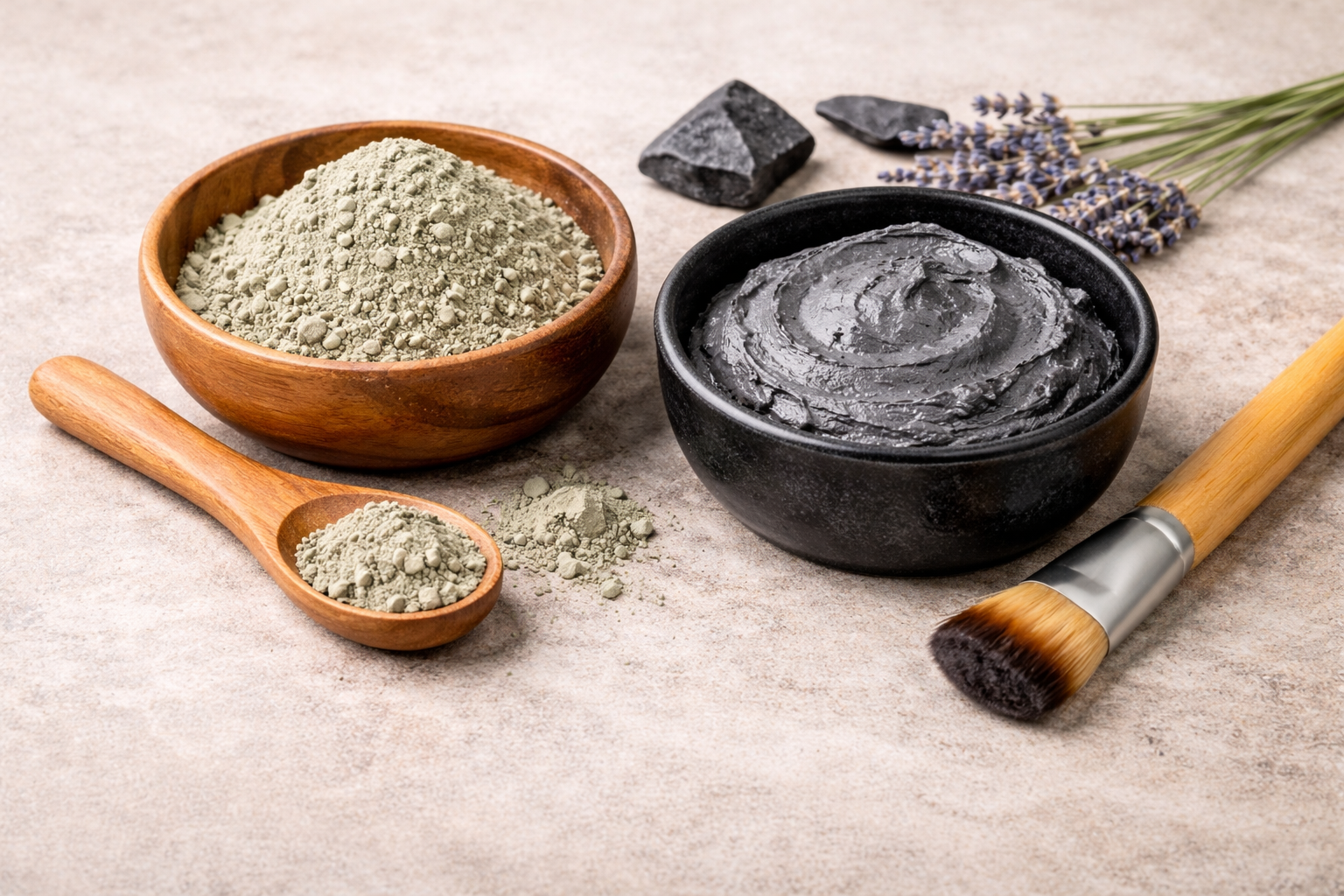
Signature Botanicals explains that clay masks draw out impurities, absorb excess oil, and gently exfoliate. They recommend using the mask 1 to 2 times per week and not letting it fully crack and dry.
Step 3: Nourish with a moisturising cream
The moisturising creams category currently features Tallow Moisturising Cream.
If you are new to tallow, the FAQ suggests it melts into skin and a little goes a long way.
Step 4: Support lips with a simple balm
The lip balm FAQ states no petroleum, no synthetic flavours, and a focus on oils, butters, and waxes that hydrate and protect.
Step 5: Add bath salts for a simple wellbeing ritual
Bath salts are described as mineral rich salts and botanicals that help relax muscles and soften skin, with the option to use them as a foot soak if you do not have a bath.
Are seed oils bad in skincare?
Some people love seed oils in skincare and do well with them. The choice to go seed oil free is usually about personal preference, skin response, and product philosophy. Signature Botanicals chooses to avoid seed oils due to stability and oxidation concerns and prefers traditional, stable ingredients instead.
Why does oxidation matter in skincare?
Oxidation can contribute to changes in product quality and odour over time. In cosmetic ingredients, oxidation is widely recognised as something formulators work to manage, especially with more polyunsaturated oils.
How do I know if a product contains seed oils?
Check the ingredient list for names like sunflower, grapeseed, rapeseed, canola, soybean, safflower, or similar. If you want to avoid them completely, choose a brand that states a seed oil free approach clearly, as Signature Botanicals does in its FAQ.
Shop seed oil free skincare from Signature Botanicals
If you want a routine built around traditional ingredients and a clearly stated seed oil free approach, explore the Signature Botanicals categories: